Fleet EV Charging Infrastructure for Depots A Practical Design Framework
A fleet depot must deliver enough energy before vehicles leave, even when arrival times, routes, and battery states vary. The charging design should therefore start with operations rather than a fixed ratio of chargers to vehicles. Route data, dwell time, electrical capacity, control rules, and contingency plans together determine the required equipment.
Translate routes into charging demand
Create an operating profile for each vehicle group. Record daily distance, energy use, return time, next departure, parking location, maximum AC or DC charging rate, and the minimum state of charge needed for the next duty cycle. Use seasonal and demanding routes rather than a single average day. Vehicles with long overnight dwell may need modest power, while vehicles with short turnaround windows may require priority charging or DC equipment.
Convert those profiles into an energy schedule. The schedule should show when vehicles are connected, how much energy each needs, and the latest time charging can finish. This exposes whether the main constraint is total daily energy, a short evening peak, too few parking connections, or a small number of critical vehicles.
Check the depot electrical system
Measure the existing building load and confirm service capacity, transformer loading, switchgear space, cable routes, grounding, and utility constraints. Model the charging load together with workshop equipment, heating, refrigeration, and other depot uses. An upgrade request based on the sum of all charger nameplates may overstate actual demand, but an informal diversity assumption can leave the site unable to operate.
Managed charging can distribute a defined power limit according to departure time, vehicle priority, or equal sharing. The fallback condition matters as much as normal operation. If communications, the backend, or a meter fails, the system should move to a safe rule that protects the connection and still gives essential vehicles a known path to charge.
Choose equipment and design for growth
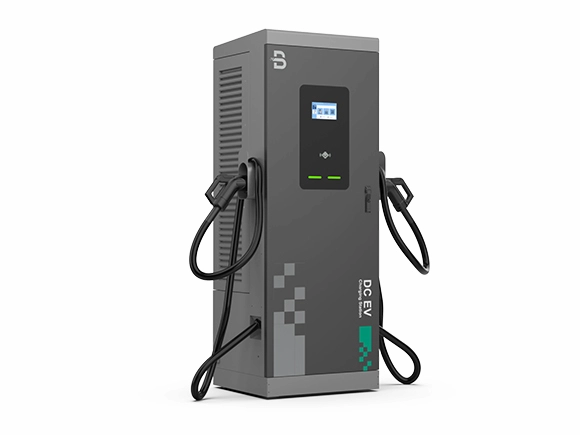
Scalable fleet EV charging infrastructure should align vehicle duty cycles, dwell time, available grid power, and charger management before equipment quantities are finalized. Compare AC and DC options at the system level, including connector locations, cable reach, simultaneous outputs, communications, diagnostics, and the ability to add ports without replacing the first phase.
Plan civil and electrical work for the credible fleet size. Spare conduits, pull boxes, transformer space, and panel provisions can reduce later disruption. Avoid installing expensive power conversion solely for a distant scenario that has not been approved. A phased design should state the trigger for each expansion, such as vehicle count, peak utilization, or a measured shortfall in departure readiness.
Protect daily operations
Define what happens when a charger, connector, network, or utility supply is unavailable. Options include spare charging capacity, cross-parking procedures, mobile equipment, scheduled opportunity charging, or access to another site. The plan should identify which vehicles are operationally critical and how dispatch receives charging status before departure.
Commissioning should use representative vehicles and the fleet schedule. Test simultaneous sessions, priority changes, loss of connectivity, reduced site capacity, alarms, data export, and recovery after a power interruption. Review actual energy use and departure readiness after the pilot, then adjust the control rules before the fleet expands.