What Is Included in Professional Beer Brewing Equipment?
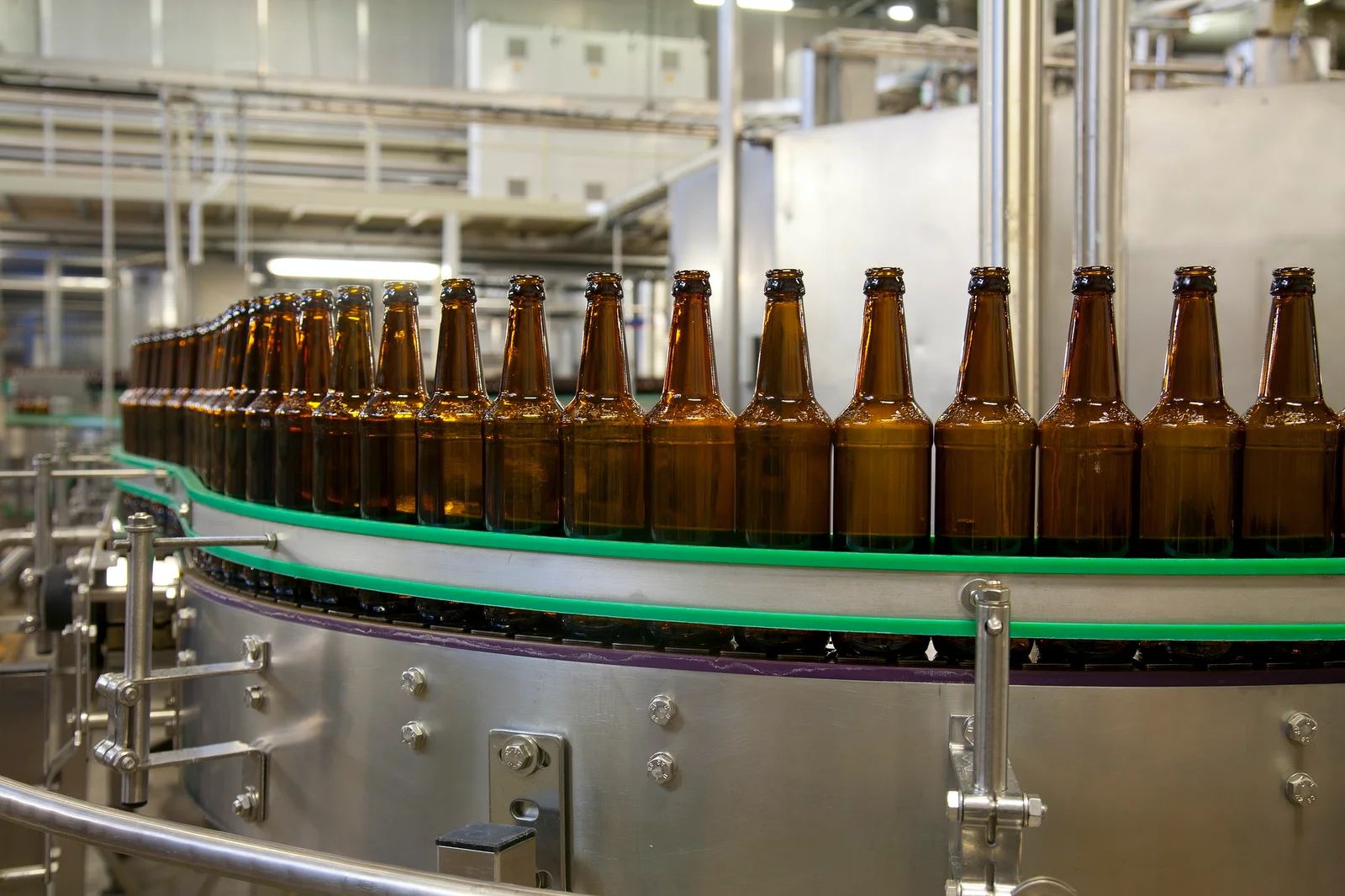
Professional beer brewing equipment normally covers the full process from grain handling to packaged beer: mill, mash and lauter vessels, kettle and whirlpool, hot/cold liquor tanks, plate heat exchanger, fermenters, glycol chiller, pumps, sanitary piping, CIP system, bright tanks, carbonation equipment, utilities, controls, and packaging. A 10 BBL brewery may use a compact 2-vessel brewhouse, while a larger 30–100 BBL plant may separate vessels and automate transfer, cleaning, and temperature control. The equipment must be sized as one connected system, not as individual machines.
A professional brewery starts with raw-material handling because the consistency of the grist affects extraction, runoff, and brewhouse timing. Malt equipment can include storage silos, bag-dump stations, scales, conveyors, dust collection, and roller mills. A 2-roller mill may suit a smaller plant, while larger systems can use 4- or 6-roller designs for higher throughput. The mill must produce a repeatable crush without turning too much endosperm into flour, since lautering performance depends on both particle size and husk condition.
A useful specification starts with the planned batch size, not the vessel catalogue. A brewery producing 20 BBL per brew has different milling and transfer requirements from a 60 BBL system, even when both make the same IPA.
The milled grain then enters the mash vessel, where water and grist are held within a controlled temperature range. Many beer recipes operate around 62–72°C (144–162°F), with lower rests favoring a more fermentable wort and higher rests generally producing more dextrin-rich wort. Commercial mash vessels can include steam jackets, insulation, agitators, temperature probes, spray systems, and automated valves. A temperature deviation of only a few degrees Celsius can change the fermentability profile of the wort.
From the mash, the liquid must be separated from the spent grain. A lauter tun normally uses a perforated or slotted false bottom, with some commercial vessels adding rotating rakes and automated grain-out systems. Flow, bed depth, and pressure are monitored because excessive runoff rates can compact the grain bed. Brewers also use sparging to recover additional extract, so the water-heating capacity upstream must match the lauter schedule rather than sit idle between batches.
The recovered wort moves to the kettle, where heating and boiling prepare it for fermentation. Commercial brewhouses may use steam jackets, internal calandrias, electric elements, or direct-fire systems. A 60-minute boil is common in many recipes, although 75- or 90-minute schedules are used for some formulations. Kettle evaporation, vessel geometry, wort gravity, heating intensity, and hop additions all affect the final wort volume and composition.
A whirlpool vessel follows the kettle or shares the same vessel in smaller systems. Tangential wort entry creates rotational flow that helps collect trub near the vessel center. Breweries that need more throughput often use a separate whirlpool so another batch can begin heating while the previous batch settles. That arrangement changes the brewhouse from a serial process into a system with more overlapping work stages.
Water storage is another substantial equipment group. A hot liquor tank provides heated brewing water for mashing, sparging, and cleaning, while a cold liquor tank can supply chilled water for wort cooling. Tank insulation, heater capacity, pumps, temperature sensors, and level controls affect how quickly the brewery can reset for the next batch. Wort cooling can also recover heat into the hot liquor tank, reducing the amount of fresh energy needed for subsequent water heating.
If wort leaves the whirlpool near 100°C and must reach roughly 18–22°C for many ale fermentations, the heat exchanger must remove about 78–82°C of temperature difference during transfer.
Most professional breweries use sanitary plate heat exchangers for wort cooling. The required size depends on wort flow rate, starting temperature, target temperature, cooling-water temperature, and available water flow. A brewery transferring 20 BBL in a short window needs substantially more heat-transfer capacity than a 5 BBL brewpub running a slower transfer. An oxygenation stone or controlled aeration point is normally installed after cooling and before yeast pitching.
Fermentation vessels then determine much of the brewery's production capacity. Stainless-steel cylindroconical fermenters are common because the cone supports yeast collection and allows beer to be transferred without moving large quantities of sediment. Typical specifications include cooling jackets, insulation, pressure protection, temperature sensors, sample valves, racking outlets, and CIP spray devices. A 20 BBL fermenter can be filled by one 20 BBL batch or by multiple smaller brews, depending on the brewhouse configuration.
Fermentation also dictates the refrigeration requirement. Ale fermentation often occurs around 18–22°C, while many lagers ferment considerably colder. Active yeast produces heat, so several tanks reaching peak fermentation at the same time can create a much larger cooling demand than the brewhouse volume alone suggests. A glycol system therefore needs enough capacity for simultaneous tank cooling, cold crashing, and bright-tank conditioning rather than only the average daily load.
A professional glycol package normally contains the chiller, reservoir, circulation pumps, supply and return piping, control valves, and tank temperature controls. Glycol temperature depends on the system and application, but cellar and draft systems are commonly designed around low-temperature operation. The Brewers Association notes that many glycol draft systems operate around 28–34°F, while beer at dispense is commonly targeted around 36–38°F.
Once fermentation is complete, breweries may transfer beer to bright beer tanks. These tanks provide a controlled location for clarification, carbonation, conditioning, and packaging preparation. A BBT can include a carbonation stone, pressure gauge, relief device, sample valve, cooling jacket, level measurement, and dedicated product outlet. The required number depends on packaging speed and how long each beer remains in the tank.
Pumps, valves, hoses, and fixed sanitary piping connect the process. Centrifugal pumps are common for wort and beer transfers, while different pump types may be selected for dosing, higher-viscosity products, or specialized cleaning circuits. Stainless-steel sanitary fittings reduce difficult-to-clean connection points. Automated breweries can add pneumatic valves, flow meters, pressure transmitters, and valve manifolds to control liquid routing.
That piping connects directly to the cleaning system, so CIP equipment should be specified at the same time. A professional CIP skid can include hot-water, caustic, acid, and sanitizer tanks, transfer pumps, heaters, return lines, dosing controls, and conductivity or temperature monitoring. FDA guidance for CIP equipment states that cleaning and sanitizing solutions should contact all interior food-contact surfaces and that the system should drain completely.
A fixed cleaning system needs confirmed spray coverage, circulation, drainage, and inspection access; adding a larger pump alone does not establish a suitable CIP process.
Beer clarification can require additional equipment when the product specification calls for low turbidity. Some breweries rely on natural settling, while others use centrifuges or filtration. The choice depends on beer style, throughput, expected solids load, product losses, and required clarity. A hazy IPA may use a very different clarification setup from a filtered lager intended for large-scale distribution.
Carbonation equipment comes next. Beer can be carbonated in a bright tank or through an inline carbonation system. Temperature, pressure, contact area, flow rate, and target dissolved CO₂ all affect carbonation speed. For draft systems, the Brewers Association lists 12–15 psig as a common direct-draw range for ales and lagers, while long-draw systems may require blended gas and different pressures.
Packaging equipment depends on the brewery's sales channel. Keg operations may require keg washers and fillers; canning lines can add rinsers, CO₂ purge stations, fillers, seamers, lid feeders, conveyors, date coders, and pack-out equipment. Bottling systems may use rinsers, fillers, crowning units, labelers, and coders. Packaging line speed should be compared with BBT availability because a fast filler cannot compensate for insufficient finished-beer tank capacity.
Dissolved oxygen control becomes more important as beer moves into cans, bottles, or kegs. Purging containers before filling, controlling fill conditions, minimizing splashing, and maintaining sanitary gas systems can reduce oxygen pickup. The Brewers Association maintains specific technical guidance on packaging and dissolved oxygen management, reflecting the importance of oxygen control to packaged-beer freshness.
For smaller commercial breweries, a compact system such as a 5–10 BBL brewhouse may use portable CIP equipment, flexible hoses, manual valves, several 10–20 BBL fermenters, one or two bright tanks, and a small canning or kegging station. At 30 BBL and above, separate mash, lauter, kettle, and whirlpool vessels become more practical where production schedules require overlapping operations. Larger plants may also add bulk grain handling and automated cleaning.
| Brewery scale | Typical equipment emphasis | Typical operating concern |
|---|---|---|
| 5–10 BBL | Compact brewhouse, unitanks, mobile CIP | Labor and floor space |
| 15–30 BBL | Larger HLT/CLT, multiple fermenters, BBTs | Cellar scheduling |
| 30–60 BBL | Multi-vessel brewhouse, stronger glycol, semi-automation | Throughput |
| 60–100+ BBL | Bulk handling, automated valves, central CIP, faster packaging | Utility and production balance |
Equipment selection also changes with beer portfolio. A brewery producing four beers that ferment for 7–10 days needs different tank turnover from a lager program occupying vessels for several weeks. A packaging-focused producer may need more BBT volume than a taproom brewery selling most production directly from draft.
For example, a brewery producing 2,000 BBL annually does not necessarily need the same equipment as another brewery making 2,000 BBL. Brew length, fermentation time, packaging format, operating days, and tank occupancy can change the required equipment mix substantially.
Utility systems therefore belong in the equipment specification. Depending on the design, a brewery may require a steam boiler, feedwater treatment, electrical service, compressed air, CO₂ storage, water filtration, reverse osmosis, wastewater handling, ventilation, drainage, and cold storage. These systems can determine where tanks and packaging equipment can actually be installed.
A brewery planning to use hgmc beer equipment can also review integrated brewhouse, fermentation, cooling, piping, and packaging configurations at https://www.hgmcbrewing.com/. The useful comparison is between complete process requirements and the equipment list rather than comparing vessel prices alone.
For a professional installation, the equipment schedule should therefore record vessel working volume, total volume, material grade, jacket area, insulation, design pressure, operating pressure, heating method, cooling method, pump flow rate, pipe diameter, valve type, electrical load, CIP method, and control points. A 30 BBL fermenter, for example, should not be specified only by “30 BBL”; its pressure rating, cooling surface, fittings, drainability, temperature instrumentation, and cleaning coverage also need defined specifications.
The final equipment package should also account for safety and maintenance. CO₂ detection may be required in enclosed areas, pressure vessels need suitable relief protection, steam systems require appropriate controls, and walkways around tanks need sufficient access for inspection and cleaning. The Brewers Association's 2026 draught guidance also emphasizes gas handling, sanitation, line cleaning, and pressure management as part of professional beer service.
A well-specified brewery therefore contains more than a brewhouse, fermenters, and a filling machine. The complete equipment chain can include grain milling, mash and lauter vessels, kettle, whirlpool, HLT, CLT, heat exchanger, oxygenation, fermenters, glycol refrigeration, BBTs, pumps, valves, sanitary piping, CIP, water treatment, gas systems, laboratory equipment, automation, and packaging. At every stage, capacity, temperature, flow rate, pressure, cleaning access, and production schedule should be matched to the next stage.